


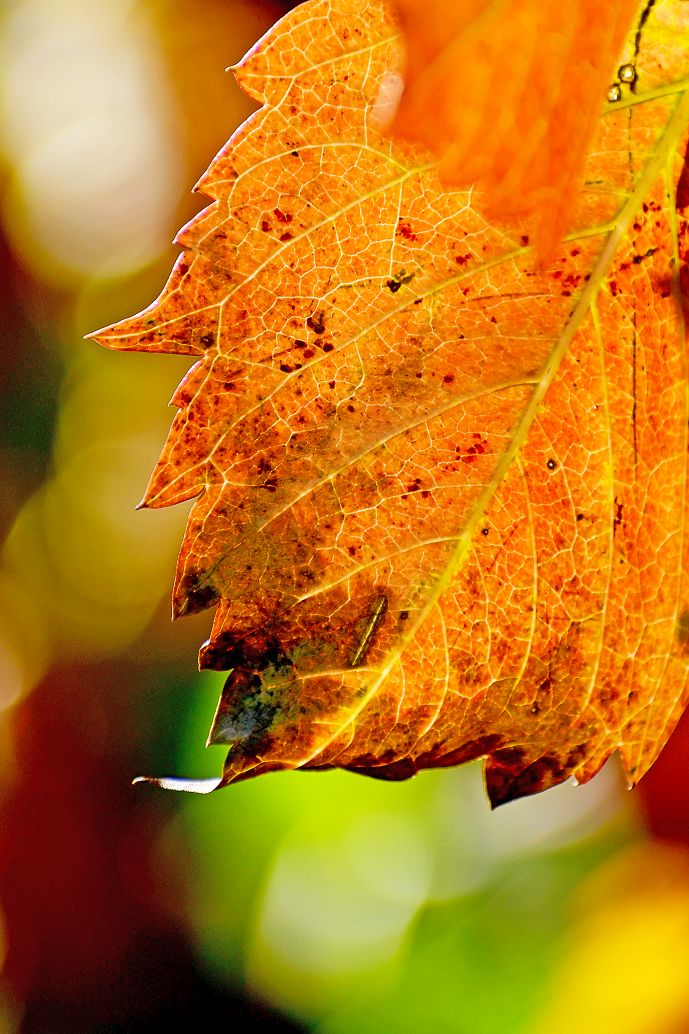
 No one wants to hear this, but fall is coming. Here in Canada, this means a cold winter is around the corner, and that’s not a happy thought for most of us! But seasonal changes are inevitable as long as the earth is spinning, so we might as well enjoy them, right? There are reasons to like autumn, though. Sunlight is soft and mysterious, the temperature is mild most days, and hey, you can finally enjoy those backyard solar lights in the evening and still go to bed at a reasonable time.
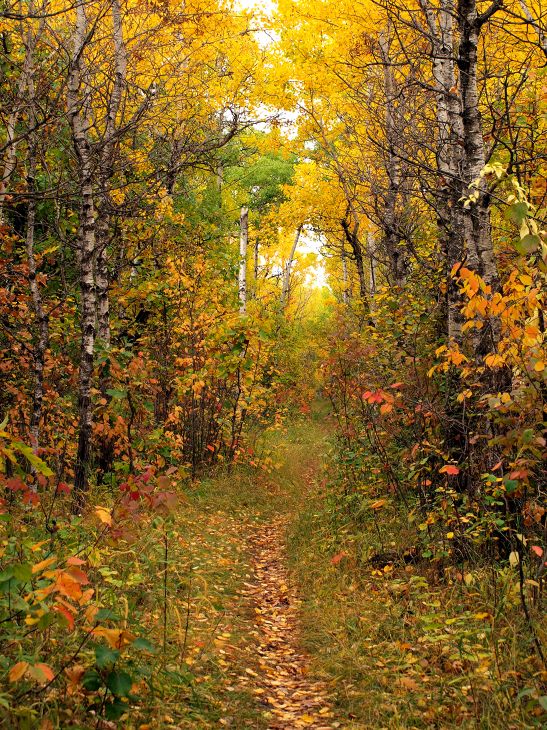
Few would argue that the best part of the fall is its colours. Nature’s uniform green suddenly explodes with a myriad of shades of yellow and red. Have you ever thought about the science behind these changes?
Trees with leaves that fall in autumn are called deciduous. The term comes from the Latin word decidere, which means “to fall off” or “to fall down,” and it’s directly related to what we’re about to explore.
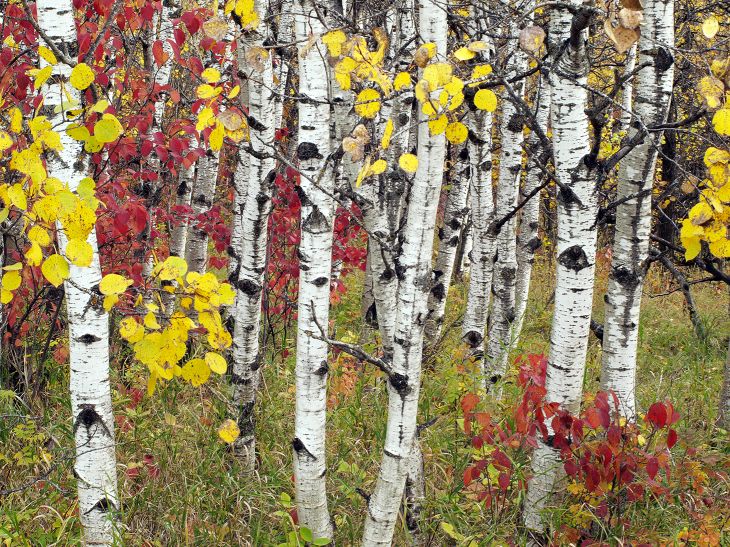 Leaves are the powerhouses of growth in trees; the invisible chemical processes that happen inside them keep trees alive. A typical green leaf cell contains many complex structures called chloroplasts. Those chloroplasts contain chlorophyll – a green pigment that is essential to photosynthesis. Photosynthesis is the process used by plants to turn sunlight, water, and carbon dioxide into sugars and oxygen. The sugars provide energy and building materials for the plant to grow, while oxygen is released into the air for us to breathe.
Think of a leaf as a factory building, designed to capture sunlight (raw material). The leaf cells are individual production rooms, where the chloroplasts are specialized equipment that use chlorophyll to process the sun’s energy into the main product – sugar – and a by-product – oxygen.
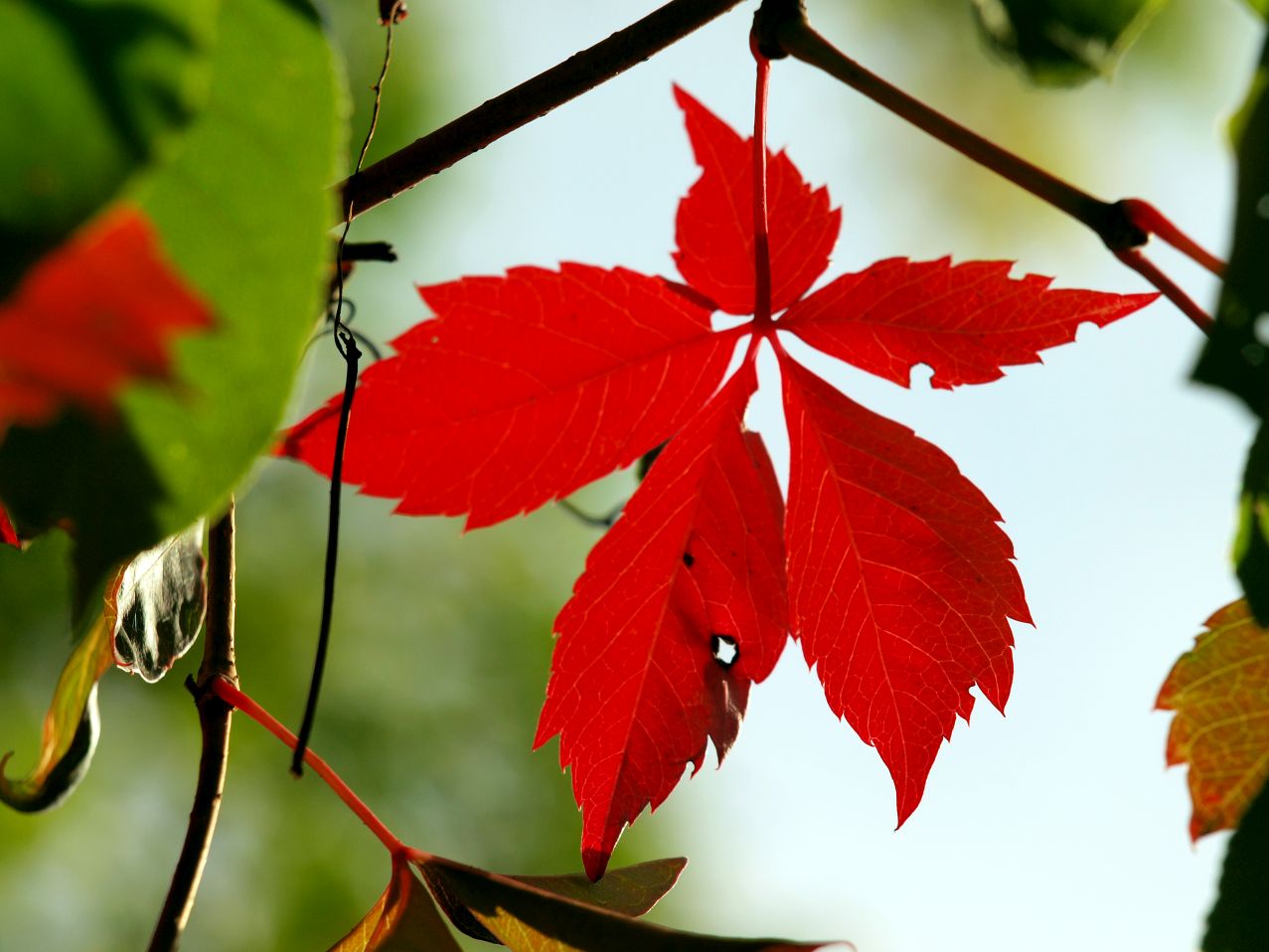
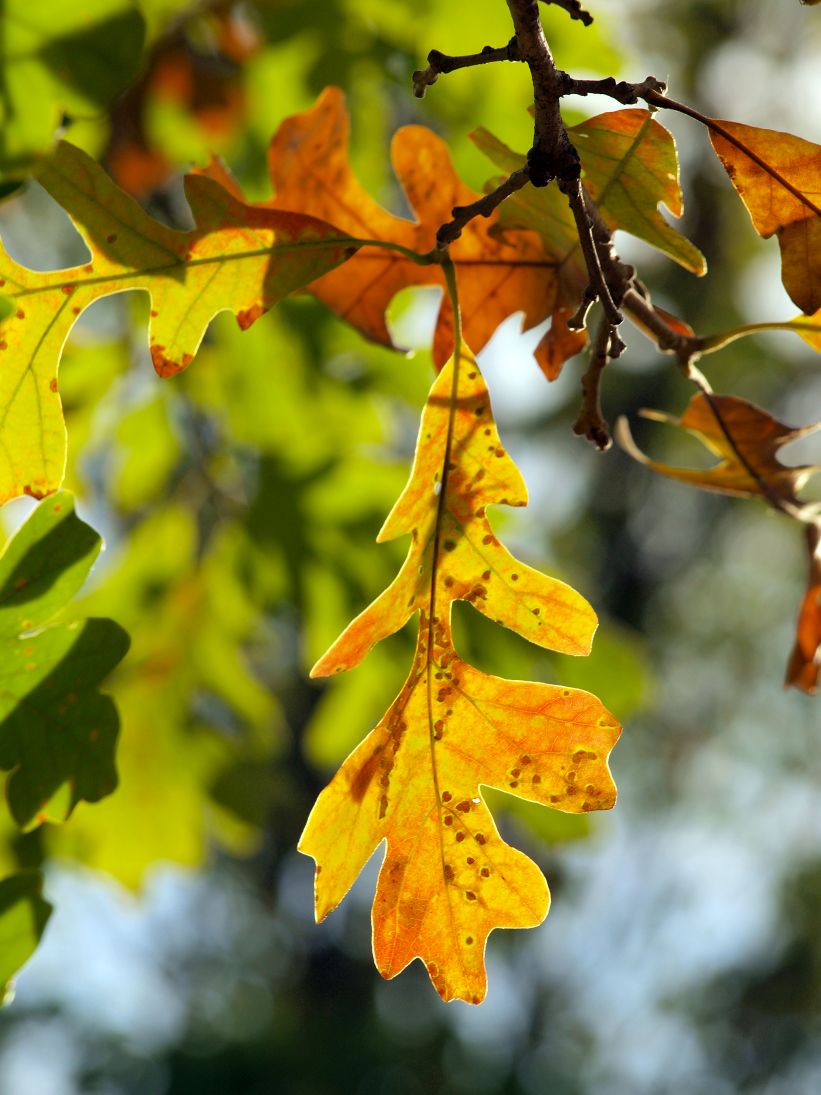
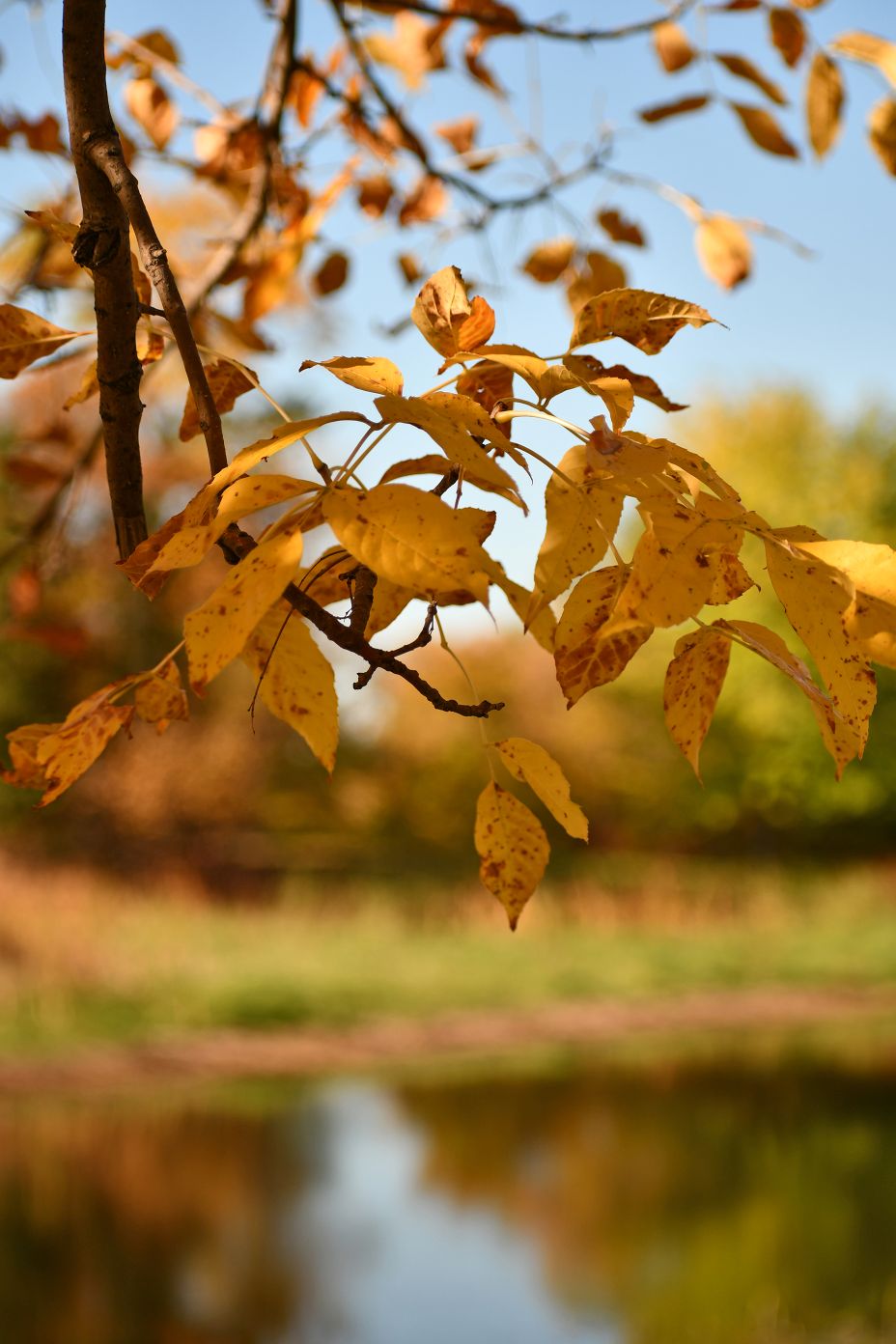 Now, you see, this factory is seasonal. As the days become shorter and cooler, the plant starts breaking down and recycling its green pigment, chlorophyll, and moving valuable nutrients out of the leaves for the winter. Other pigments called carotenoids, which are already present in the leaves, become visible to fill the void and turn the leaves yellow and orange. Some of the sugars remaining in the leaves help produce a new pigment called anthocyanin that gives them intense red and purple hues. The last of the “goods” are transferred to branches and roots, and the plant forms a layer of cells at the base of the leaf stem that shuts the “door” between the leaf and the branch. The factory is closed now, and the tree will live off its stored energy and nutrients during the winter, until the weather warms up again in spring and photosynthesis resumes!
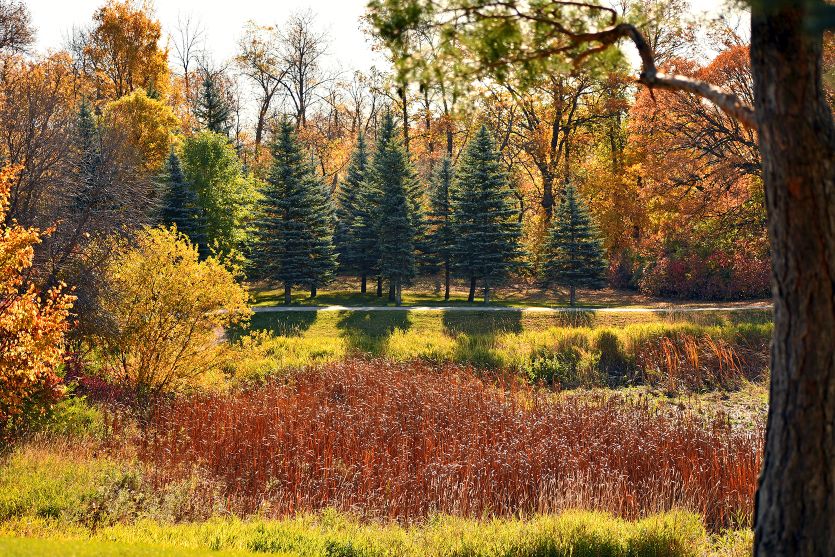
What about coniferous trees? Their needles’ unique design allows photosynthesis to continue through the winter. Most conifers don’t shed their needles annually like deciduous trees do, and we can still enjoy some green in the colder months.
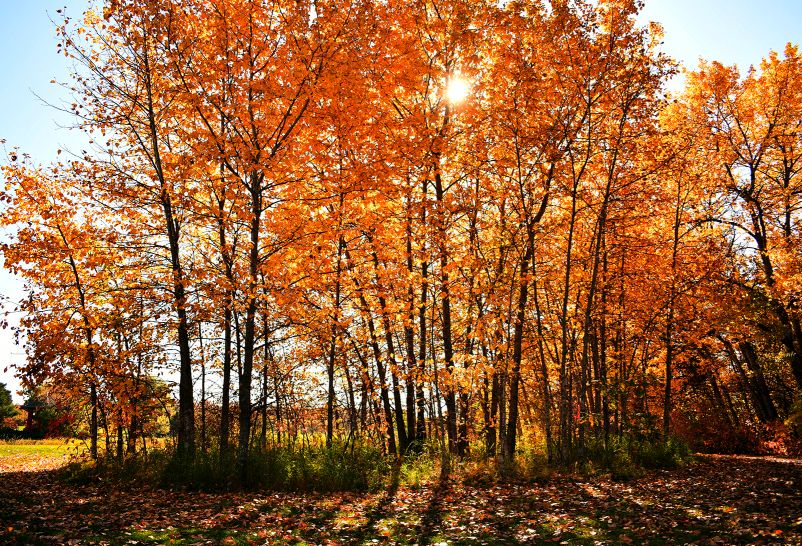 Dry, sunny days followed by cool nights will produce the most vibrant autumn colours, as opposed to warm, cloudy, and rainy conditions. Beautiful fall is not just to please the eye, though; it is part of an important natural process that allows trees to recover and conserve nutrients before winter. Extreme weather, such as drought or early frost, can stress trees and cause leaves to turn brown, dry, and fall off prematurely. Going back to our factory example, think of a supply chain collapse.
So, if you witness an abundance of colours this coming autumn season, know that nature’s factory has delivered once more.
By Anna Aráoz