What do Fibonacci and horticulture have in common?
It so unds like the start of a bad trivia question. Or a good dinner conversation, depending on the crowd. Either way, the answer reveals itself the moment you see The Leaf rising out of Assiniboine Park in Winnipeg.
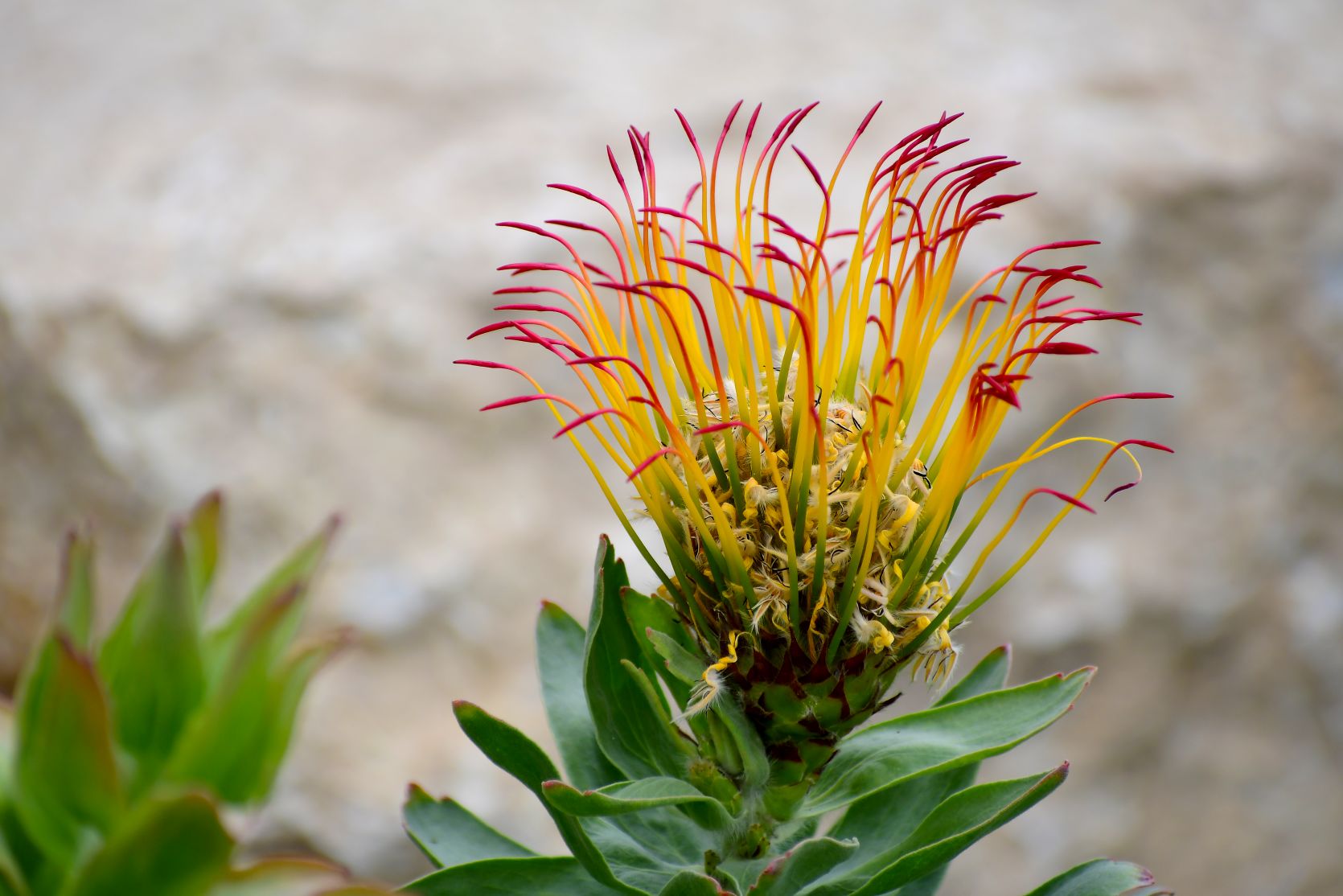
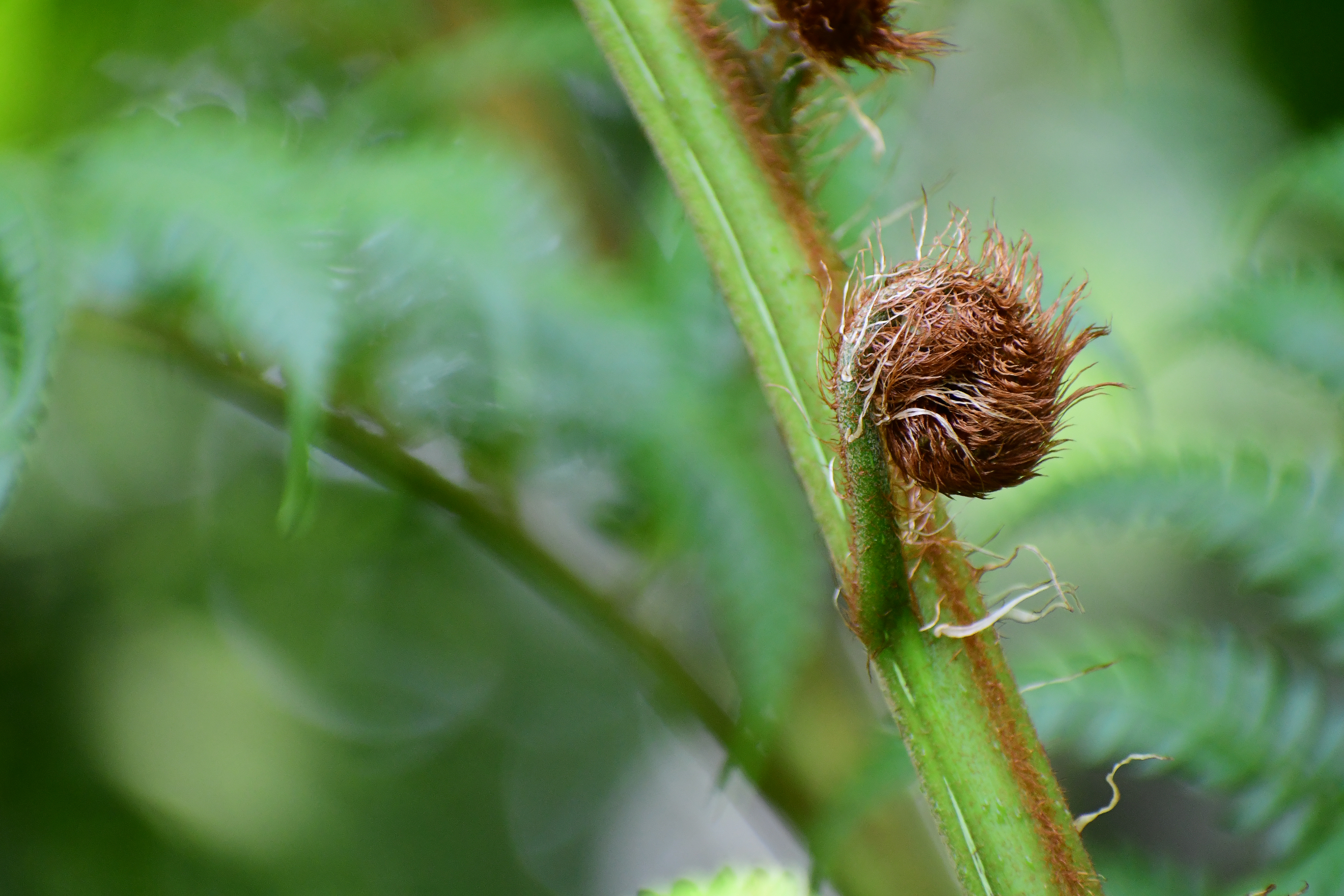
The building doesn’t shout. It unfurls. Like a petal. Or a spiral. Or something you recognize instinctively, even if you can’t quite name it. That’s Fibonacci at work — the mathematical sequence that quietly governs sunflowers, shells, and so much of the natural world — now expressed in steel, glass, and light.
Opened in December 2022, The Leaf is far more than a replacement for the park’s century-old conservatory. It’s a $130-million reimagining of what a modern horticultural space can be: immersive, sustainable, and deeply human. Designed to be enjoyed year-round (no small ambit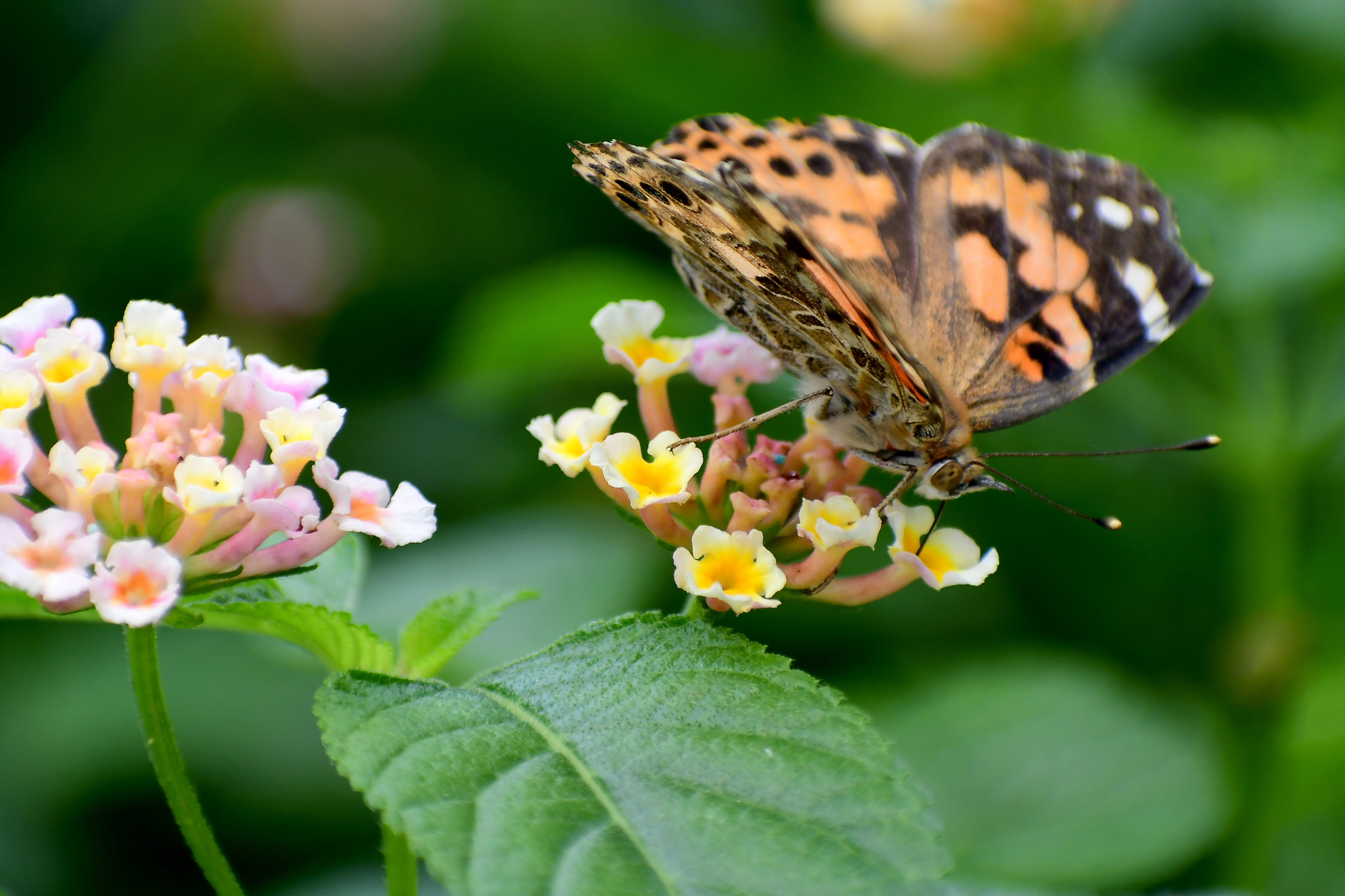 ion in a city with Winnipeg’s winters), it invites visitors to experience plants not as background scenery, but as central characters in our shared story.
Step inside and the temperature — and perspective — shifts immediately. The Hartley and Heather Richardson Tropical Biome offers a welcome escape from the cold, complete with Canada’s tallest indoor waterfall, a koi pond, and towering tropical plants that will eventually reach six storeys high. It’s lush and enveloping, the kind of place that makes you slow down without realizing it.
From there, the Mediterranean Biome feels familiar in a different way. The air carries hints of citrus, herbs, and sun-baked landscapes from Greece, Italy, South Africa, Chile, and California. These are places where plants have long shaped food, culture, and daily life, and the space quietly reminds us how interconnected those relationships are.
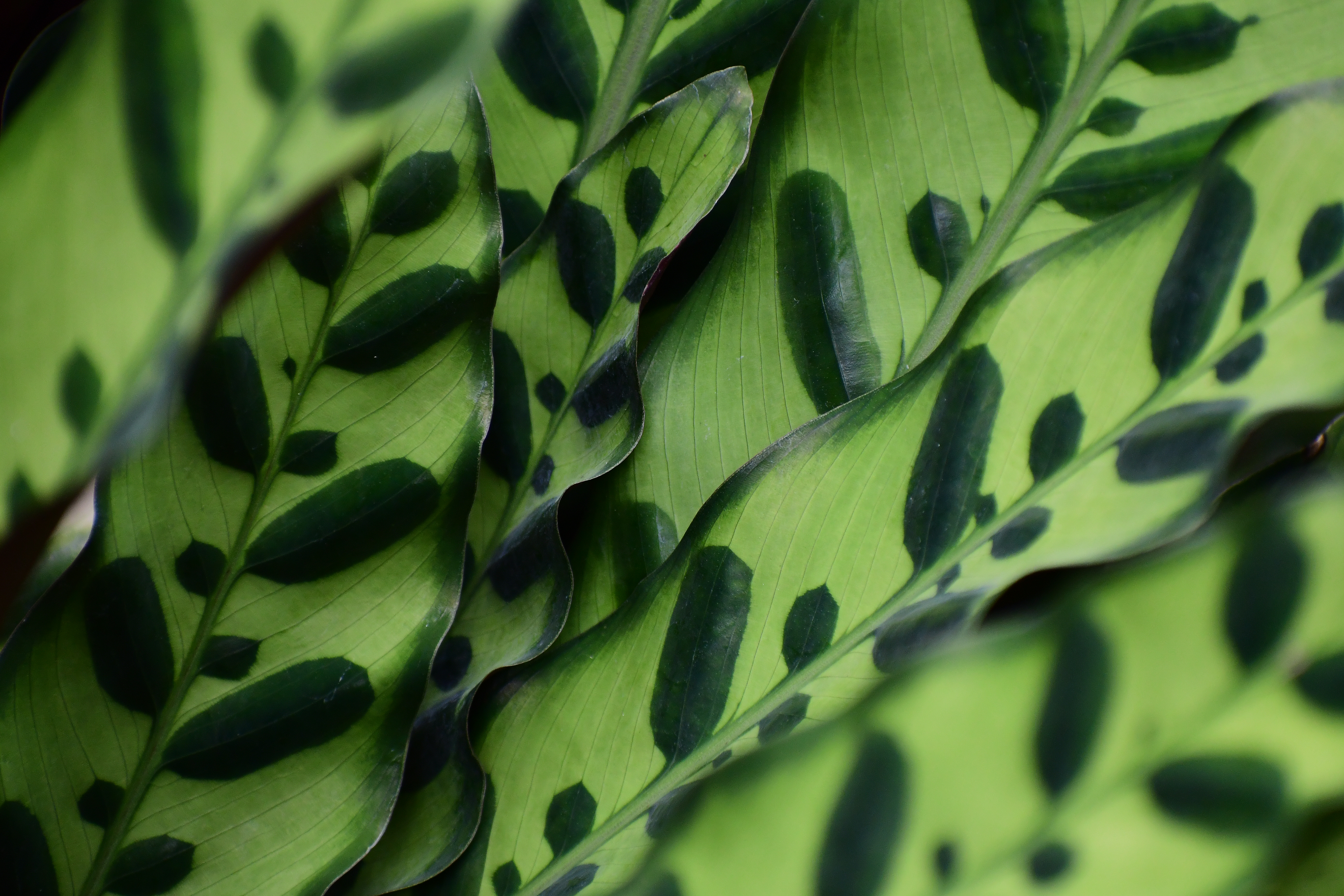 The Babs Asper Display House shifts the focus to horticulture as art, with floral installations that change several times a year, responding to seasons and global themes. And high above it all, the Shirley Richardson Butterfly Garden delivers a moment of pure wonder — an elevated, tropical canopy where butterflies drift freely, indifferent to calendars and climate.
What makes The Leaf especially compelling, though, is how deliberately it connects indoors to out. Surrounding the building are nearly 30 acres of gardens, each with its own rhythm and purpose. The Indigenous Peoples Garden, developed through close collaboration with Indigenous elders and community leaders, is both a gathering place and a quiet teacher, grounded in fire, water, and respect for the land. The Kitchen Garden brings growing, food, and education together — from the Three Sisters planting to hands-on demonstrations about sustainability and conservation.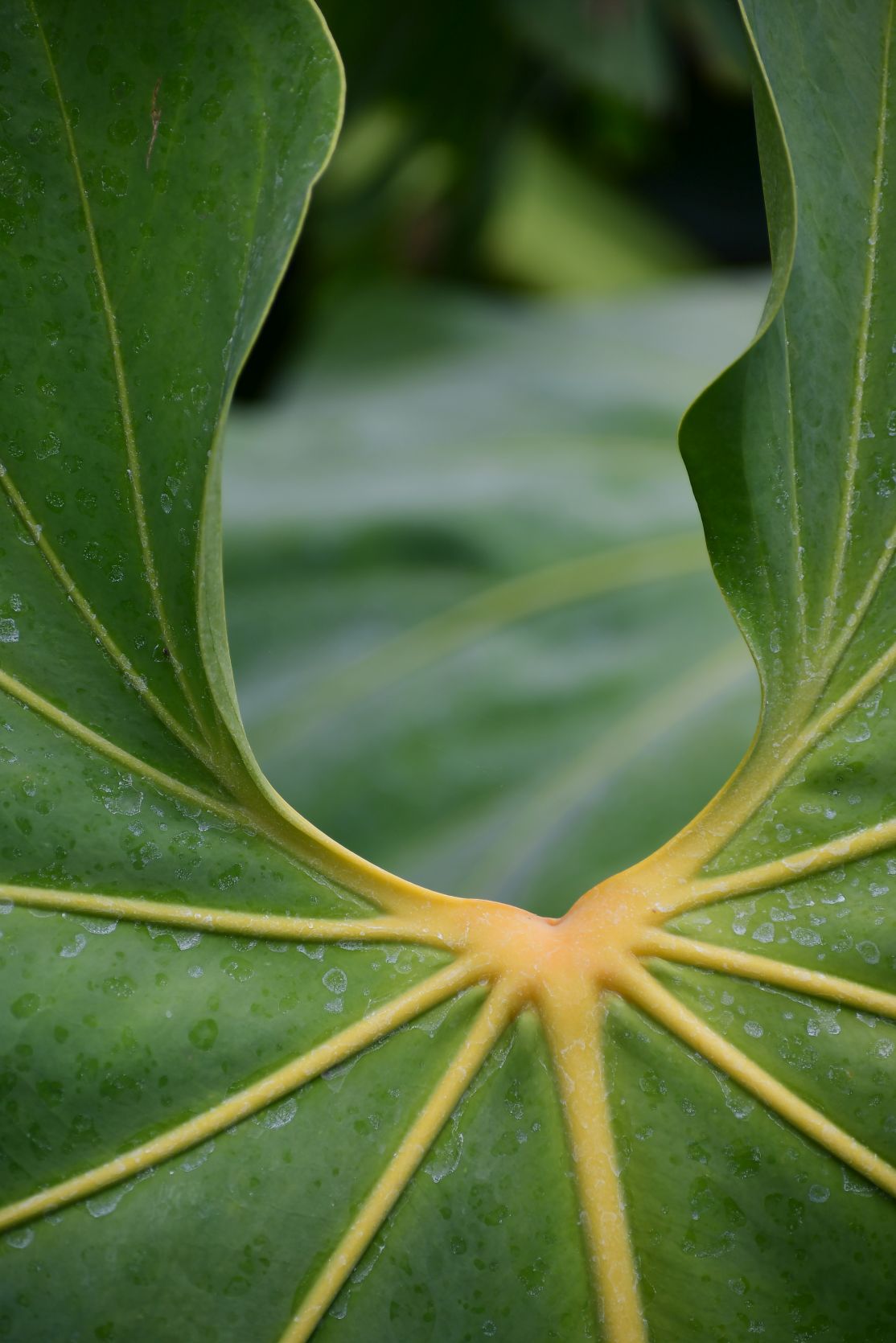
Elsewhere, the Sensory Garden invites touch, scent, and sound; the Performance Garden blends art and landscape; the Johnston Family Seasonal Garden celebrates change itself; and The Grove offers a calming reminder of the enduring power of trees, no matter the season.
Throughout, sustainability isn’t a slogan — it’s embedded. Recycled glass from the original conservatory lives on in the new structure. Advanced materials improve thermal performance. Even the lighting is designed with intention, capable of mimicking moonlight, thunderstorms, and the Northern Lights. It’s technical, yes, but also quietly poetic.
At its core, The Leaf is a living classroom. Educational programs run year-round, using the biomes and gardens to explore health and well-being, conservation, culture, and our relationship with the natural world. It’s a place designed not just to be seen, but to be understood.
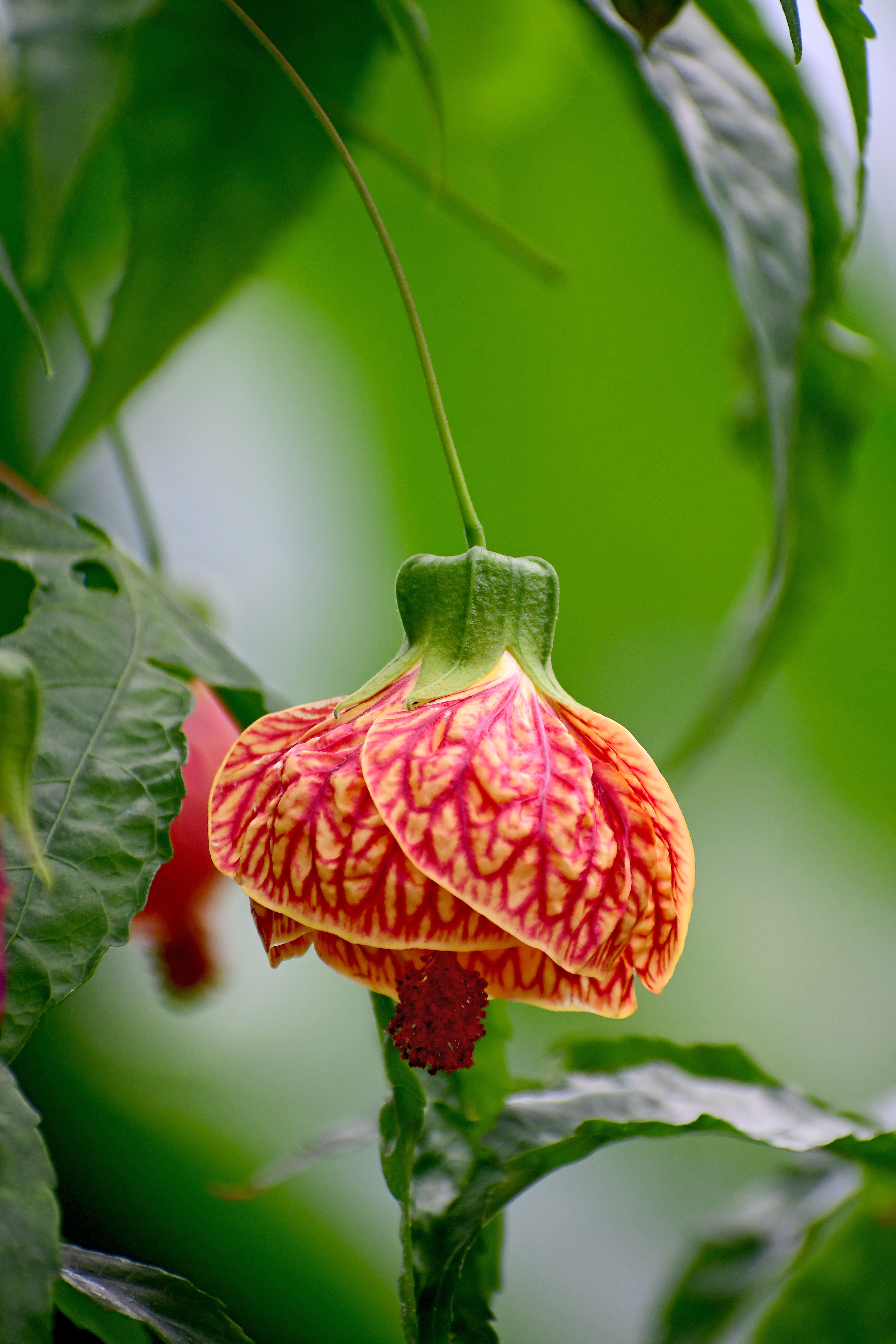 And because connection so often happens over food, Gather Craft Kitchen & Bar extends the experience with globally inspired dishes made from seasonal, locally sourced ingredients — many grown just steps away. Add a thoughtfully curated gift shop and an easy, accessible coffee bar, and The Leaf becomes somewhere you linger, not rush through.
In 2023, it was named Garden of the Year at the Canadian Garden Tourism Awards. The recognition is well earned, but the real success is harder to measure. The Leaf offers respite in winter, discovery in every season, and a gentle reminder that nature, culture, and even mathematics are not separate disciplines — they’re part of the same pattern.
So yes, Fibonacci and horticulture do have something in common after all. They both show us that when design follows nature, the result feels not just beautiful, but right.